The Complete Guide to Plumbing: Essentials, Innovations, and Best Practices

Plumbing is one of the most vital systems in modern life, yet it often goes unnoticed—until something goes wrong. From providing clean water for drinking and cooking to safely removing wastewater, plumbing plays a crucial role in public health and daily comfort. In this guide, we’ll explore plumbing fundamentals, common issues, preventive maintenance, innovations, and practical tips for both homeowners and professionals.
Understanding Plumbing Systems
Plumbing refers to the system of pipes, fixtures, valves, and fittings used to distribute water and remove waste. While it may seem straightforward, modern plumbing is a sophisticated network designed to balance water pressure, prevent leaks, and meet regulatory standards.
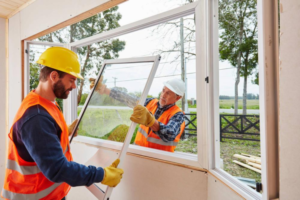
Plumber is a skilled professional responsible for installing, repairing, and maintaining water supply systems, drainage networks, and plumbing fixtures in homes and commercial buildings. From fixing leaking pipes and unclogging drains to setting up water heaters and ensuring proper sanitation, plumbers play a crucial role in keeping everyday life running smoothly. Their expertise ensures that water flows safely and efficiently, preventing costly damage and promoting a healthy, functional environment.
Key Components of Plumbing Systems:
-
Water Supply System: This brings fresh water from the main municipal supply or a well to the home. It includes pipes (commonly made of copper, PVC, or PEX), shut-off valves, and water meters.
-
Drainage System: Also called a wastewater or sewer system, it removes used water from sinks, toilets, and showers. This system relies on gravity and venting to ensure smooth flow.
-
Fixtures: These are the visible appliances like faucets, toilets, bathtubs, and showers. They connect the user to the larger system.
-
Valves: Valves control water flow and pressure, allowing homeowners or professionals to shut off sections for repairs or maintenance.
-
Venting: Proper venting ensures that wastewater drains efficiently and that sewer gases don’t enter the living space.
Common Plumbing Problems
Even the most modern plumbing systems can face issues. Understanding the common problems can help in early detection and cost-effective solutions.
-
Leaky Pipes: Often caused by corrosion, high water pressure, or loose fittings, leaks can lead to water damage and mold growth.
-
Clogged Drains: Hair, grease, and food particles can accumulate over time, resulting in slow drains or complete blockages.
-
Running Toilets: A constantly running toilet can waste hundreds of gallons of water each month and is often caused by a faulty flapper or float valve.
-
Water Heater Issues: Sediment buildup, thermostat failures, or leaks can reduce efficiency and lifespan.
-
Low Water Pressure: This can result from pipe corrosion, leaks, or mineral buildup in fixtures and pipes.
Preventive Plumbing Maintenance
Preventive maintenance is the key to a long-lasting plumbing system. Regular checks and minor interventions can prevent costly repairs.
-
Inspect Pipes and Fittings: Look for signs of corrosion, leaks, and wear. Metal pipes should be checked for rust, while plastic pipes should be inspected for cracks.
-
Clean Drains Regularly: Use strainers to catch debris and avoid chemical drain cleaners, which can damage pipes over time.
-
Flush Water Heater: Sediment buildup reduces efficiency. Flushing it annually can prolong its lifespan.
-
Check Water Pressure: Ensure your home’s pressure stays between 40-60 psi. High pressure can damage pipes, while low pressure may indicate blockages.
-
Winterize Plumbing: In colder climates, insulate exposed pipes to prevent freezing and potential bursts.
Eco-Friendly Plumbing Solutions
Sustainability has become a priority in modern plumbing. Eco-friendly solutions not only reduce environmental impact but also lower water and energy bills.
-
Low-Flow Fixtures: Toilets, faucets, and showerheads designed to use less water while maintaining performance.
-
Tankless Water Heaters: These provide hot water on demand, reducing energy consumption compared to traditional tank heaters.
-
Rainwater Harvesting: Collecting rainwater for irrigation or non-potable uses conserves municipal water.
-
Greywater Systems: Reusing wastewater from showers or sinks for flushing toilets or watering plants can reduce overall consumption.
-
Smart Plumbing Devices: Leak detectors, automatic shut-off valves, and water monitoring systems help prevent waste and damage.
Plumbing Innovations
Technology has transformed plumbing in recent years. Innovations are making systems more efficient, durable, and easier to maintain.
-
PEX Piping: Flexible, durable, and resistant to corrosion, PEX is replacing traditional copper and PVC in many homes.
-
Trenchless Pipe Replacement: Instead of digging up entire yards, this method repairs or replaces underground pipes with minimal disruption.
-
Smart Water Systems: Connected devices allow homeowners to monitor water usage, detect leaks, and even control fixtures remotely.
-
Touchless Fixtures: Reducing water wastage while improving hygiene, especially in kitchens and public restrooms.
-
Water Filtration & Softening: Advanced filtration systems remove contaminants, while water softeners prevent scale buildup in pipes and appliances.
DIY vs. Professional Plumbing
Some plumbing tasks can be handled by homeowners, while others require a licensed professional.
DIY Tasks:
-
Unclogging minor drain blockages using a plunger or drain snake
-
Replacing a faucet washer or aerator
-
Installing low-flow showerheads or faucets
Professional Tasks:
-
Major pipe repairs or replacements
-
Water heater installation
-
Sewer line inspections and repairs
-
Gas plumbing
-
Comprehensive leak detection
Attempting complex repairs without the right expertise can cause severe damage and may violate local building codes.
Plumbing Safety Tips
Safety is critical in plumbing, both for personal protection and system integrity.
-
Shut Off Water Supply: Always turn off the main water valve before repairing pipes or fixtures.
-
Use Proper Tools: Avoid makeshift tools that can damage pipes or fittings.
-
Wear Protective Gear: Gloves, goggles, and masks prevent injuries from chemicals, debris, or bacteria.
-
Avoid Harsh Chemicals: Many commercial drain cleaners can corrode pipes or harm the environment.
-
Follow Local Codes: Ensure that any plumbing work meets municipal regulations to maintain safety and compliance.
Plumbing in Modern Infrastructure
Plumbing is not just limited to residential systems—it is essential in commercial, industrial, and municipal infrastructure. Hospitals, schools, restaurants, and factories rely on complex plumbing networks to maintain hygiene, safety, and operational efficiency. Modern urban plumbing also incorporates sustainable water management, stormwater drainage, and wastewater treatment, ensuring public health and environmental protection.
Signs You Need a Plumbing Inspection
Regular inspections by professionals can prevent costly emergencies. Signs that indicate a plumbing check is needed include:
-
Unexplained spikes in water bills
-
Persistent low water pressure
-
Strange noises in pipes (banging, whistling, or gurgling)
-
Foul odors from drains or fixtures
-
Frequent clogs or backups
The Future of Plumbing
Plumbing will continue to evolve with technology and sustainability in mind. Key trends include:
-
Integration of smart home systems with plumbing for real-time monitoring
-
Increased use of durable, eco-friendly materials like PEX and recycled plastics
-
Enhanced leak detection using AI-powered sensors
-
Advanced water recycling and purification systems for urban areas
The emphasis will be on reducing water wastage, improving system longevity, and ensuring safety while meeting the growing demands of urban populations.
Conclusion
Plumbing is a cornerstone of modern living, silently ensuring health, comfort, and efficiency in homes and communities. Understanding the components, common issues, preventive practices, and innovations in plumbing can save time, money, and stress. Whether you are a homeowner trying to maintain your system or a professional seeking advanced solutions, plumbing knowledge is an indispensable tool. By embracing maintenance, eco-friendly solutions, and modern technologies, we can enjoy safe, sustainable, and efficient plumbing for years to come.